
PolyBonda / Application

Fuel & Hydraulic Tanks

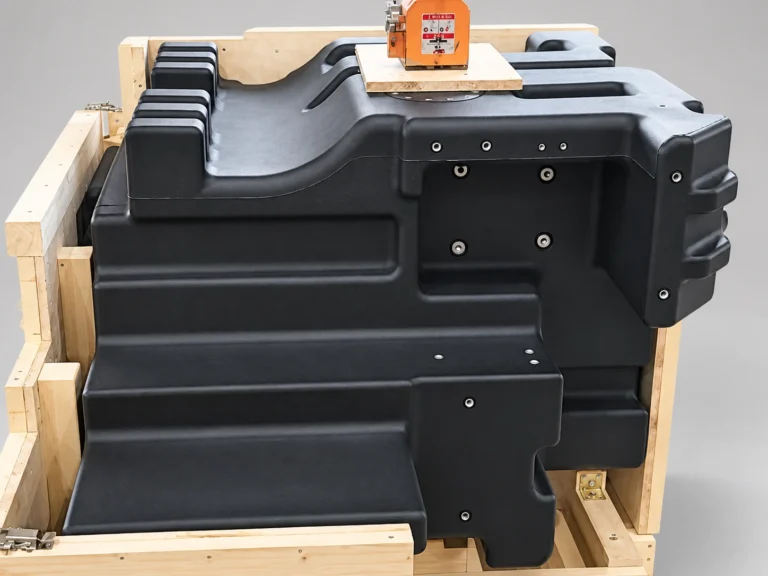
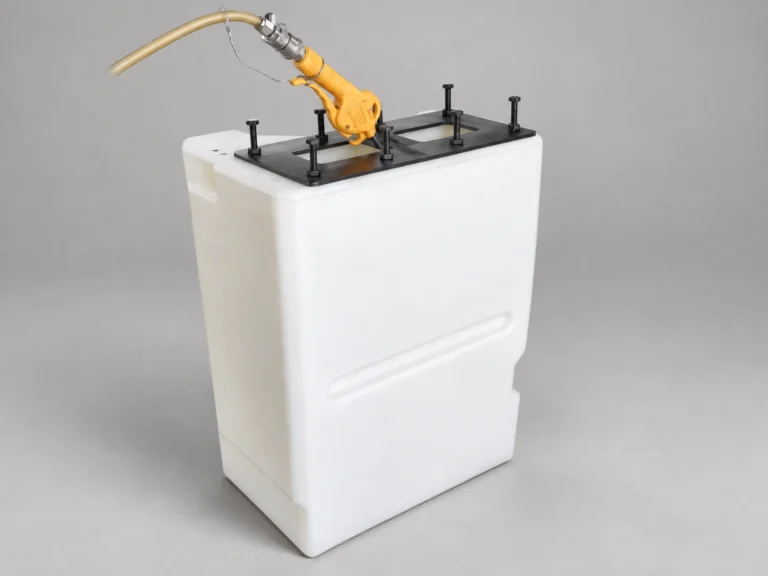
Diesel and hydraulic oil tank projects, from part design to material selection.
Material discussionStart with the part, service conditions and intended use.
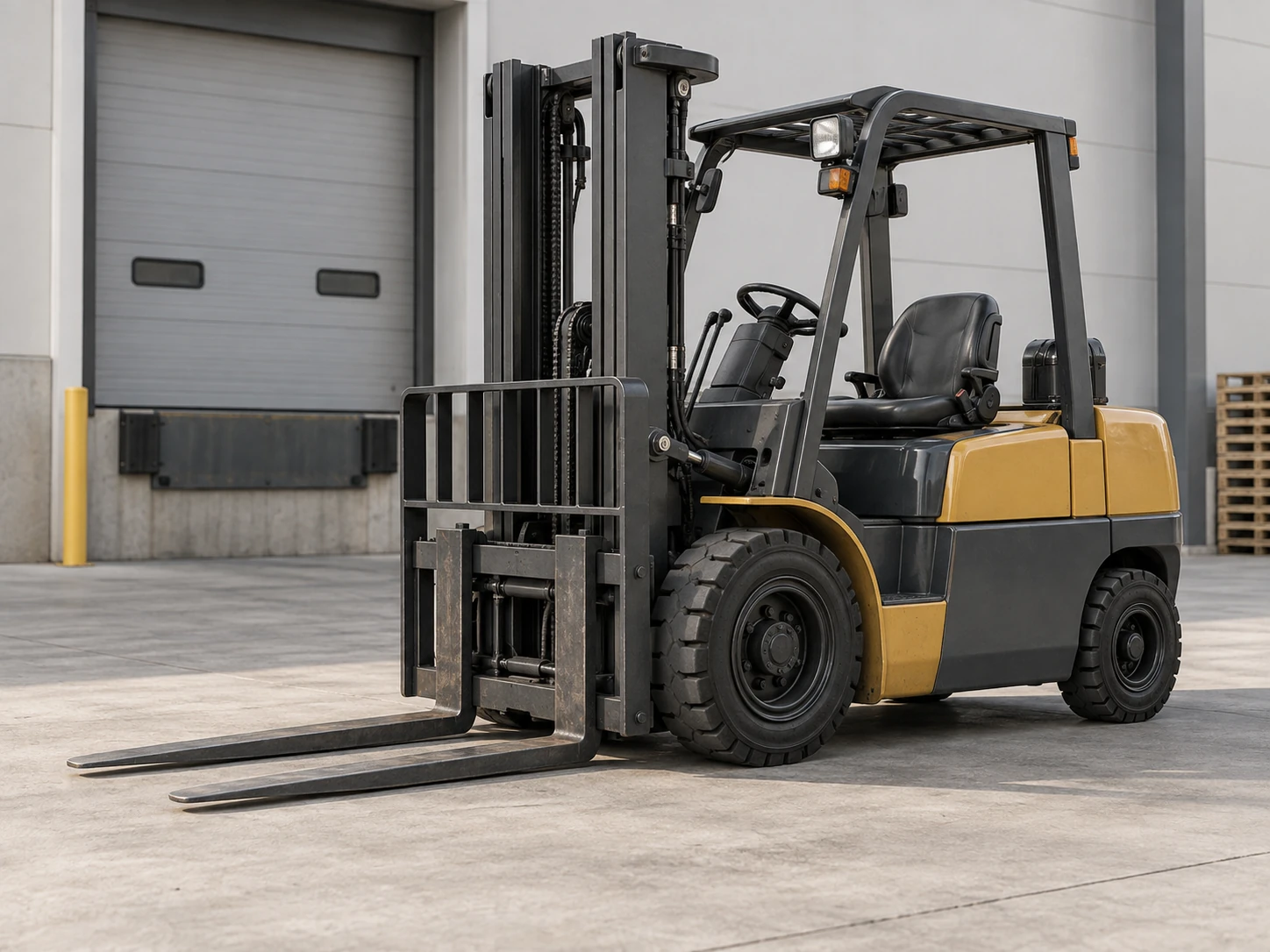
Unbranded forklift application illustration

Application snapshot

Part profile

Diesel and hydraulic oil tank projects, from part design to material selection.
Typical priorities

stored fluid and chemical exposure · tank capacity and geometry · service conditions

Discussion inputs

fluid or oil type · tank capacity and geometry · operating conditions

Discussion style

Start with the part, then review relevant material information.

Material selection begins with the fluid, tank capacity and operating conditions. SG-560 serves diesel and hydraulic oil tank applications; SG-17 addresses hydraulic oil tanks under 50 L for forklifts and lifting platforms. Share your design, fittings and processing requirements to identify the relevant grade.

Application discussion

What typically matters

01

Stored Fluid And Chemical Exposure

Identify the fluid or media in contact with the part and the exposure conditions to review.

02

Tank Capacity And Geometry

Capacity, dimensions, fittings and geometry help define the material conversation.

03

Service Conditions

Describe the operating environment, duty cycle and conditions the finished part will see.

04

Fittings And Assembly Details

Mounting, fittings and assembly points can shape the requirements for the finished tank.

What to share with us

Bring the following context to your inquiry.

You do not need every answer before starting a discussion. The information below helps focus the next material questions.

  1. 01fluid or oil type
  2. 02tank capacity and geometry
  3. 03operating conditions
  4. 04fittings and processing requirements