Crosslinkable polyethylene compounds are polyethylene-based materials formulated so that a crosslinked molecular network can develop during the rotational molding cycle.
Understanding that process is useful, but the material-family name alone does not determine whether a grade is appropriate for a finished part. Part geometry, service conditions, temperature exposure, processing requirements and grade-specific technical data all matter during material selection.
That distinction is important because “crosslinkable polyethylene” describes a material family and reaction concept — not a complete performance specification for a finished product.
What does “crosslinkable polyethylene” mean?
In this guide, we use crosslinkable polyethylene compound when referring to the material before molding, and crosslinked polyethylene when referring to the networked structure that develops during processing.
In industry practice, the abbreviation XLPE is also commonly used when referring to crosslinkable rotational-molding grades.
A crosslinkable polyethylene formulation contains an additive system that reacts with the polyethylene base material during the molding cycle. As the reaction develops, connections form between polymer chains, producing a networked structure that behaves differently from conventional thermoplastic polyethylene.
The terminology is useful, but the more important question is what happens during the molding process.
From compound to crosslinked molded part
Rotational molding places unusual demands on a polymer.
Unlike many other plastics processes, rotomolding does not rely on high shear to move the polymer melt through a die or into a cavity. For polyethylene to work successfully in rotational molding, the material must flow adequately, its individual particles must sinter together during heating, and the polymer must tolerate the relatively long thermal cycle of the process.
A crosslinkable polyethylene grade adds another stage to that process: crosslinking develops during molding.
The exact time and temperature needed to achieve the intended result are grade-specific. They should come from the technical recommendations for the material being evaluated rather than from a universal XLPE processing rule.
Why are crosslinkable polyethylene grades considered?
Crosslinking changes the molecular structure that develops in the molded material.
Industry guidance associates properly crosslinked rotational-molding grades with demanding applications where properties such as impact performance, environmental stress-crack resistance and long-term toughness may be important.
However, these characteristics should not be treated as universal performance claims for every crosslinkable polyethylene compound.
Actual performance depends on factors including:
- the specific grade and formulation;
- processing conditions;
- part geometry and wall thickness;
- test method;
- and the finished service environment.
Grade-specific technical data should therefore be reviewed against the requirements of the application being considered.
Crosslinkable PE and conventional PE behave differently
Conventional rotational-molding polyethylene remains thermoplastic. When heated sufficiently, it softens and can be melted again.
Once a polyethylene material has developed a crosslinked molecular network, it no longer behaves in the same way.
More precisely:
Once crosslinked, the material cannot simply be remelted and reprocessed by conventional extrusion in the same way as thermoplastic polyethylene.
This distinction can affect:
- processing strategy;
- scrap handling and reprocessing;
- end-of-life considerations;
- and the technical information that should be reviewed when selecting a grade.
For this reason, it is usually not helpful to think of XLPE simply as “a stronger version of PE.”
The two material systems behave differently, and the right choice depends on the requirements of the finished part.
Start with the finished part
A useful material-selection discussion rarely begins with a grade number alone.
It begins with:
What are you manufacturing, and what does the finished part need to do?
For a rotationally molded component, useful context may include:
- part geometry;
- approximate wall thickness;
- intended use;
- contents or chemical exposure;
- normal and peak temperature;
- mechanical requirements;
- surface-finish expectations;
- current processing conditions;
- and any regulatory or customer-specific requirement.
A material-family name is therefore the beginning of the conversation, not the end.
Six considerations when evaluating a crosslinkable polyethylene grade
01 — Part geometry
Consider the size and shape of the finished part, its wall sections, detailed features and areas where material flow or wall-thickness distribution may be important.
Material and geometry should be discussed together rather than treated as unrelated decisions.
02 — Contents and exposure
Identify what the finished part will contain or contact during service.
For tanks and containers, this may include fuels, hydraulic fluids, chemicals, cleaning agents or other media.
Compatibility should be evaluated using information for the specific grade and exposure conditions, not assumed from the term XLPE alone.
03 — Temperature
Provide both the normal operating temperature and any relevant peak or cycling conditions.
Useful context can include:
- continuous versus intermittent exposure;
- duration at elevated temperature;
- hot-fill conditions;
- heating and cooling cycles;
- and whether temperature occurs together with chemical or mechanical loading.
A material should not be selected from one isolated temperature number without considering the complete application.
04 — Mechanical requirements
Where mechanical performance matters, identify the properties or service behavior that are important to the finished part.
For example:
- impact performance;
- stiffness;
- toughness;
- environmental stress-crack resistance;
- load-bearing behavior;
- or repeated flexing.
Relevant grade-specific data can then be reviewed against those requirements.
05 — Surface and manufacturing requirements
Surface appearance, molded detail, wall thickness and processing behavior can all affect which material characteristics matter most.
If the finished part has customer-facing surfaces or demanding geometry, describe those requirements explicitly rather than simply asking for “good finish” or “good flow.”
06 — Technical and regulatory requirements
If the project depends on a particular test method, customer specification, regulatory requirement or technical document, identify it at the beginning of the discussion.
Do not assume that one polyethylene grade’s documentation or compliance status applies to another.
Requirements should be checked against the specific grade and intended application.
“Is this XLPE?” is only the beginning of the question
Two materials may both be described as crosslinkable polyethylene and still differ in formulation, density, flow behavior, processing window and measured performance.
That is why useful material comparisons are made at the individual grade level rather than treating the polymer-family name as a complete specification.
Which grade?
Which part?
Which service environment?
Which test method?
The useful question is not simply:
“Is this XLPE?”
It is:
“Which grade is being considered, for what finished part, under what conditions, and against which technical requirements?”
Where might crosslinkable polyethylene enter the discussion?
Industry examples for crosslinked polyethylene include certain fuel and oil storage tanks and other components where demanding mechanical or long-term performance requirements justify considering the material family.
Within the broader applications discussed by PolyBonda, relevant contexts may include:
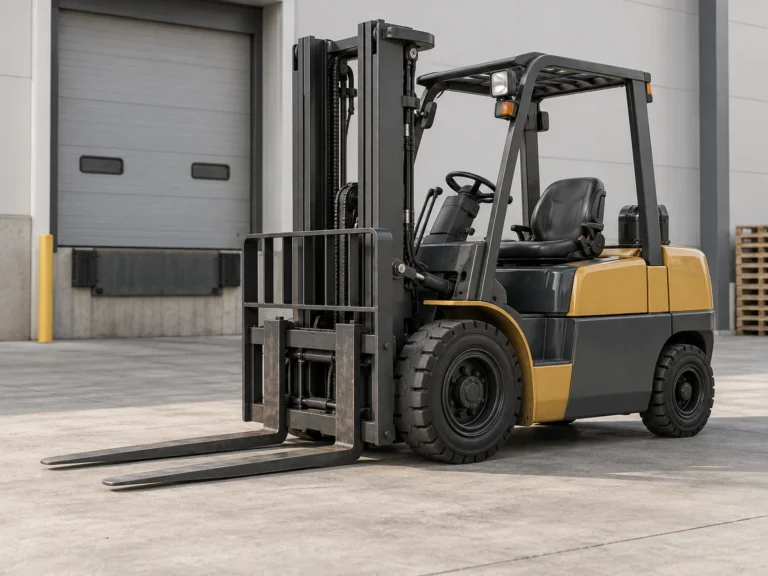
Fuel & Hydraulic Tanks
Material discussions may involve stored contents, geometry, mechanical requirements and service conditions.
Explore Fuel & Hydraulic Tanks →
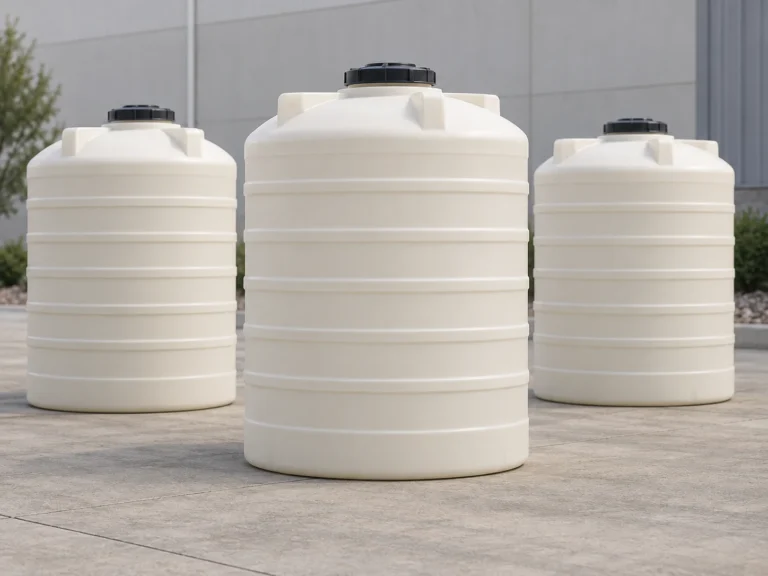
Chemical Storage Tanks
The contained medium, concentration, service environment and other exposure conditions should be defined before grade suitability is evaluated.
Explore Chemical Storage Tanks →
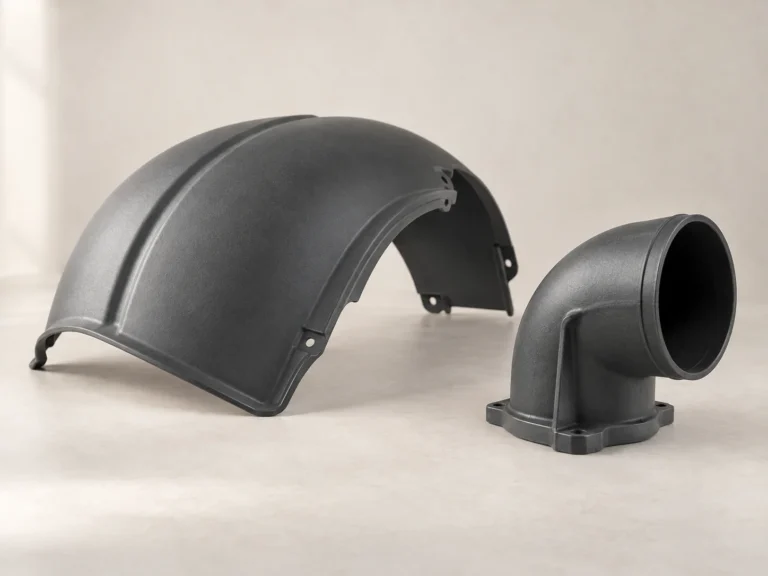
Thin-Wall / High-Quality-Finish Parts
Detailed geometry, flow behavior, surface expectations and mechanical requirements can create a different material-selection discussion from large tank applications.
Explore Thin-Wall / High-Quality-Finish Parts →
Explore All Applications →
What information should you share before discussing a grade?
You do not need a complete engineering specification before beginning a material conversation.
A useful starting point can include:
- what you manufacture;
- approximate part size and geometry;
- intended use;
- contents or chemical exposure;
- normal and peak temperature;
- target wall thickness;
- important mechanical or appearance requirements;
- current material, if one is already in use;
- current processing or performance issue;
- and any technical documents or standards the project requires.
You do not need every item before contacting PolyBonda.
The purpose is simply to give the material discussion enough context to start in the right place.
From the part to the material discussion
Crosslinkable polyethylene can develop a different polymer structure from conventional thermoplastic polyethylene, but the practical value of that difference depends on the finished application.
A better material-selection sequence is:
PART
SERVICE CONDITIONS
PERFORMANCE NEEDS
PROCESS
MATERIAL DISCUSSION
Instead of beginning with a material name and working backward, begin with the component and what it needs to do.
That makes it easier to identify:
- which material family may be relevant;
- which grade-specific properties matter;
- which technical questions still need to be answered;
- and which documentation should be reviewed before making a decision.
Looking for a specific PolyBonda grade?
Explore the current PolyBonda grade range and use the application context to decide which technical information to discuss next.
Explore Products →