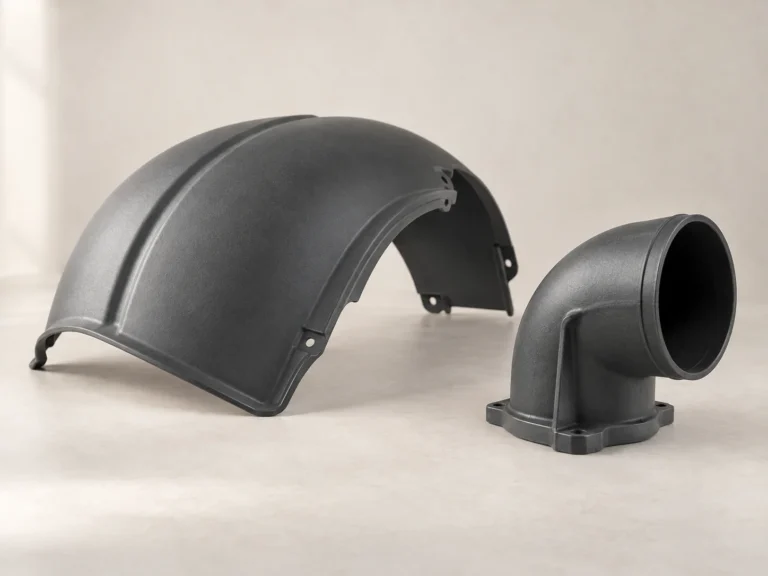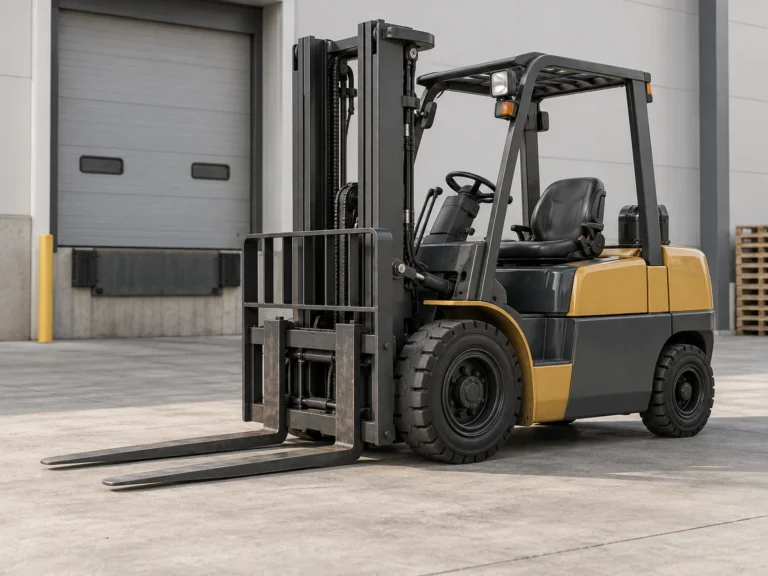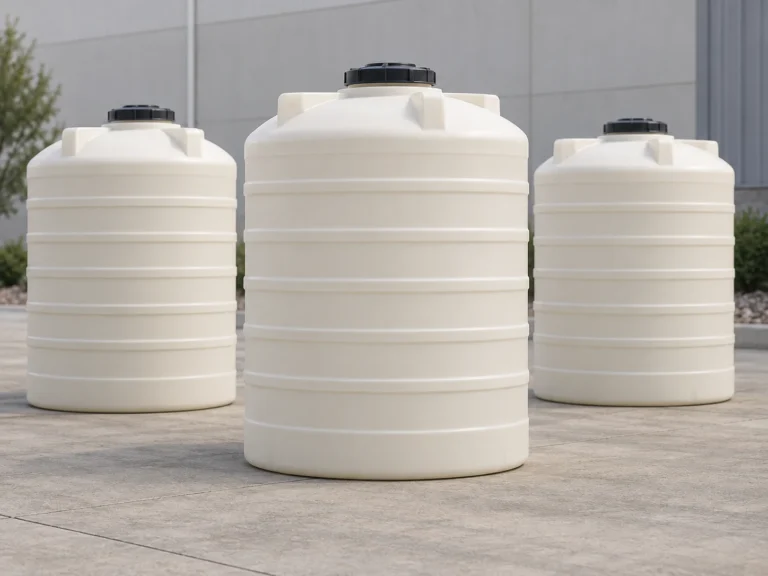
Start with the part — not just the grade.
A useful material inquiry begins with more than a resin name or product code.
In rotational molding, the material, part geometry, processing conditions and end-use requirements are closely connected. A grade that makes sense for one part may not be the right starting point for another, even when both products appear to belong to the same general category.
That does not mean you need a complete engineering specification before contacting PolyBonda.
A few pieces of application information can make the discussion much more focused and help identify which material data should be reviewed next.
1. Tell us what you are making
Start with the finished part.
Is it a storage tank, hydraulic reservoir, lined metal component, thin-wall molded part, industrial container, sports product or another rotationally molded component?
Useful context includes the approximate size, basic geometry and whether the part is already in production or still under development.
In rotational molding, geometry is not independent of material and process. Wall thickness, transitions, radii, large flat areas and other design features can affect manufacturability and final-part behavior.
A drawing, CAD image or photograph can be useful, but it is not required for the first conversation.
2. Describe what the part will see in service
For tanks, containers and lined parts, one of the most useful questions is:
What will the material contain or contact?
This may include water, fuel, hydraulic oil, chemicals, cleaning agents or other process fluids.
The name of the application alone may not provide enough information. Two containers can look similar while experiencing very different chemical, thermal or mechanical conditions.
Where relevant, it helps to provide the substance involved, concentration, whether exposure is continuous or occasional, and any unusual operating conditions.
3. Describe temperature as a service condition
A single maximum-temperature number rarely tells the whole story.
More useful information includes normal operating temperature, peak temperature, how long elevated-temperature exposure lasts, whether the part cycles between hot and cold conditions, and whether heat occurs together with chemical or mechanical loading.
For example, a container continuously exposed to elevated temperature presents a different material-selection question from a part that experiences a short hot-fill cycle.
This is why temperature-related inquiries should describe the temperature profile and intended use, rather than relying only on one number.
If grade-specific temperature data is required, that information should be reviewed for the specific material under consideration rather than inferred from polyethylene materials generally.
4. Explain what the finished part needs to do
Mechanical requirements are often easier to discuss in practical terms than as a list of material-property values.
Does the part need to remain stiff? Does it experience impact? Will it flex repeatedly? Will it support a load, hold its shape, attach to another structure or experience rough handling?
Part geometry and wall thickness matter here too.
The type of plastic material together with nominal wall thickness affects the strength and load-bearing capability of the finished rotomolded part. Rotational molding also naturally produces some variation in wall thickness, so material properties should be considered in the context of the actual part design.
For this reason, “we need a strong material” is a useful starting point — but describing what the part must withstand is even more helpful.
5. Tell us when appearance matters
Not every application is judged only by mechanical performance.
For visible products, surface finish and molded detail may be important acceptance criteria.
Useful information can include whether the part has customer-facing surfaces, whether a smooth or high-quality finish is important, whether the geometry contains fine molded details, and whether appearance consistency matters commercially.
Rotational molding can produce a range of surface finishes and aesthetic effects, but mold construction, geometry, material behavior and processing all contribute to the final result.
Instead of simply asking for a “good finish,” describe what the finished part should look like and where appearance matters most.
6. Share geometry and wall-thickness information when available
You do not need a finalized drawing to begin.
However, if the part already has a target wall thickness, dimensions or CAD data, sharing them can make a material discussion more useful.
For rotomolded parts, nominal wall thickness affects material use, strength and processing considerations. The process also has its own characteristic wall-thickness distribution, particularly around corners and complex geometry.
Useful information may include:
- approximate dimensions and nominal wall thickness;
- large flat surfaces, tight radii or deep features;
- inserts, mounting points or heavily loaded areas;
- existing drawings, photos or CAD screenshots;
- any area of the part that has been difficult to mold consistently.
The objective is not to complete a design review before discussing the material. It is simply to give the material conversation enough context.
7. If the part is already being molded, tell us what is happening now
Existing production information can be particularly valuable.
If you already use another grade, tell us what it is and what you are trying to improve or change.
For example, the conversation may begin with surface quality, processing behavior, part stiffness, cracking, warpage, dimensional consistency or another manufacturing concern.
Rotational-molding materials need sufficient flow to coat the mold, must sinter effectively during heating and must tolerate the process’s thermal exposure. Different polyethylene systems can therefore behave differently during the molding cycle.
You do not need to diagnose the root cause before contacting PolyBonda. Describing the symptom and current process context is usually more useful than guessing at the solution.
8. Mention documentation or compliance requirements early
If the project has a specific documentation, regulatory or customer-specification requirement, include it at the beginning of the discussion.
That might involve a particular technical document, an OEM requirement, food-contact considerations or another application-specific standard.
Do not assume that one polyethylene grade’s documentation or compliance status automatically applies to another grade.
Requirements should be checked against the specific material and intended application.
You do not need to know the grade first
A material inquiry does not have to begin with:
“Which PolyBonda grade should I buy?”
If you already know the grade, include it.
If you do not, start with:
What are you manufacturing? How will it be used? What matters most about the finished part?
That information gives the material discussion a much better starting point.
Successful rotational-molding material selection depends on finding a workable balance between end-use performance, material characteristics and the process itself.
A practical inquiry checklist
You do not need every item below. Send what you already know.
- Part: what you are manufacturing, approximate size, drawing or photo if available
- Application: intended use and service environment
- Exposure: liquids, fuels, chemicals or other contacted materials
- Temperature: normal conditions, peaks and whether exposure is continuous or cyclic
- Performance: stiffness, impact, surface finish, dimensional or structural requirements
- Design: geometry and target wall thickness, if known
- Current process: existing material and any molding or quality issue
- Project requirements: required technical documents, standards or customer specifications
- Main question: what you are trying to select, solve or improve
The purpose is not to complete a questionnaire.
It is to help the technical conversation start in the right place.
Start with your application
PolyBonda focuses on crosslinkable polyethylene compounds and rotational molding applications.
Share what you are manufacturing, how the part will be used and the questions you need to answer. From there, the discussion can move toward the relevant material information and available grades.